A DUI stop can shake a person instantly because officers often ask for a breath test before they have time to gather their thoughts. The sudden pressure creates fear and confusion as drivers try to understand what their rights are at that moment. Many people feel the tension rise even higher when they wonder, Can you refuse a breath test in Florida?
Florida’s implied consent law under Florida Statute § 316.1932 requires drivers to submit to testing, but refusal can bring penalties that many do not expect. These consequences can affect a person’s driver’s license, court case, and overall future. Knowing how the law works helps drivers avoid costly mistakes during a stressful encounter.
This guide explains whether refusal is allowed, the penalties involved, how refusal affects criminal cases, what happens at DMV hearings, and the steps drivers should take next. It also shows how a Gainesville DUI lawyer can help protect important rights during every stage. With the right support, drivers can navigate this process with greater clarity and confidence.

What Florida’s Implied Consent Law Requires
Florida’s implied consent law explains when drivers must take chemical tests during a DUI investigation. These rules outline when testing is required and what happens if a driver refuses.
Meaning of Implied Consent
Drivers automatically agree to chemical testing after a lawful DUI arrest, which applies once officers follow proper procedures. This agreement includes breath, blood, or urine tests when the investigation reaches that stage. A refusal creates immediate administrative penalties that apply even without a conviction.
When Officers Can Require Testing
Officers may require testing only after they establish probable cause and complete a lawful arrest. They must clearly request the test and give the proper refusal warnings before moving forward. The evidentiary breath test at the station carries legal weight, not the roadside screening device.
Can You Legally Refuse a Breath Test?
Florida law allows drivers to refuse a breath test, but this choice brings immediate and serious consequences. Understanding how refusal works helps drivers see the difference between physical choice and legal impact. This section explains what refusal means and how officers respond during a DUI investigation.
Refusal Is Allowed but Has Consequences
A driver may physically refuse the test, but that decision activates implied consent penalties right away. The refusal can also appear in court as evidence that suggests possible impairment. Courts may view each refusal differently based on a driver’s prior record and overall history.
Roadside vs. Official Breath Tests
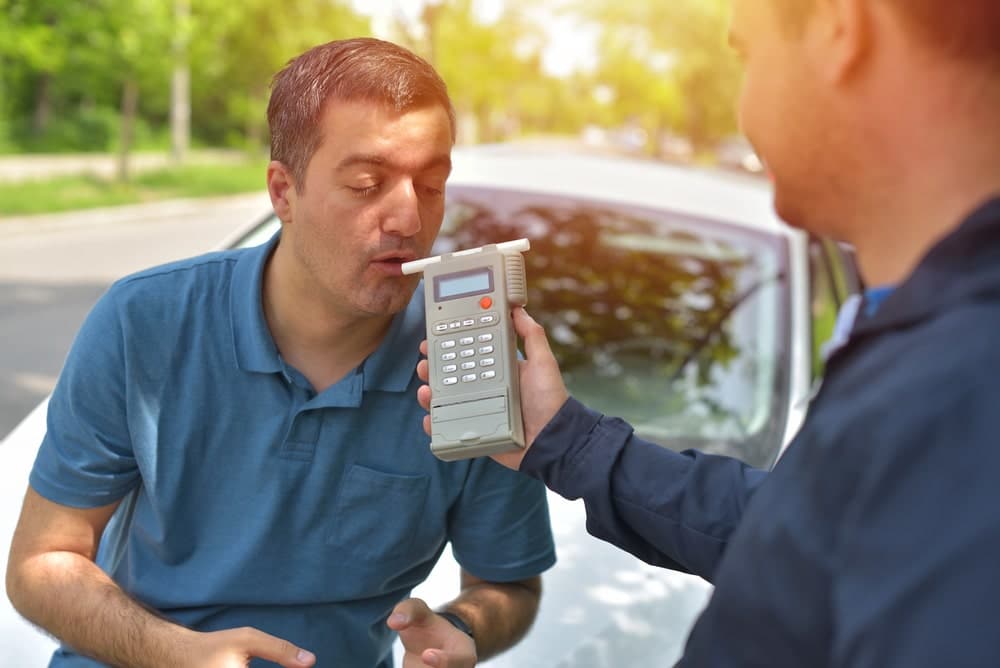
Roadside handheld devices usually serve as optional screening tools during the initial stop. The official test at the station is the one tied to penalties under state law. Officers must record a clear and intentional refusal before applying any consequences.
Penalties for Refusing a Breath Test
Refusing a breath test in Florida triggers immediate consequences that begin long before the DUI case is resolved. These penalties apply even when the underlying charges are reduced or dismissed, making it essential for drivers to understand what refusal sets in motion.
Administrative License Suspensions
- A first refusal results in a 1-year license suspension.
- A second refusal leads to an 18-month suspension with no eligibility for certain hardship licenses.
- These suspensions are administrative, meaning they apply even if criminal DUI charges are later dropped.
Criminal Penalties
- A second refusal after a prior refusal-based suspension can be charged as a misdemeanor under Florida Statute § 316.1939.
- Prosecutors may argue that the refusal indicates consciousness of guilt.
- Courts may impose fines, probation, or even jail time depending on the circumstances.
How Refusing Affects the DUI Case
A refusal can change how a DUI case develops because prosecutors must rely on evidence other than a breath result. This shift does not weaken the case automatically, and it often leads officers to focus more heavily on their observations. Understanding how refusal influences the evidence helps drivers see why these cases still carry significant risk.
Evidence Used Without a BAC Number
Officers depend on observations, driving behavior, and field sobriety tests when no breath result is available. A refusal does not prevent prosecutors from creating a strong and detailed case. Body camera footage often becomes central because it captures the driver’s actions, speech, and movements.
Impact on Negotiations and Sentencing
Prosecutors may hesitate to offer lenient plea deals when a driver refuses testing. Judges may also view a refusal as an attempt to avoid providing important evidence. Prior DUI history can increase the severity of the final outcome in these situations.
How to Challenge a Refusal Suspension
A refusal suspension can feel overwhelming because the penalties begin quickly, but drivers still have a chance to challenge the decision. Acting fast is important because the process moves quickly once the suspension starts. Guidance from a Gainesville criminal defense attorney can help drivers protect their rights during each step.
Requesting a Hearing
Drivers usually have 10 days to request a DMV formal review hearing after the refusal. This hearing determines whether the suspension should remain in place or be removed. Temporary driving privileges may be available while the hearing is pending and under review.
Legal Issues That May Overturn a Suspension
A suspension may be overturned if the officer lacked probable cause for the traffic stop. Improper or incomplete implied consent warnings can also weaken the case. Errors in documentation or unclear communication about the refusal may further support the challenge.

What To Do After Refusing a Breath Test
Refusing a breath test creates immediate legal deadlines, so taking the right steps early can make a major difference in the outcome of your case. Quick action helps protect your driving privileges and gives your attorney the evidence needed to challenge the refusal.
Immediate Legal Steps
- Contact a Florida DUI defense lawyer as soon as possible.
- Make sure the 10-day deadline to contest the license suspension is not missed.
- Gather all documents, police forms, and any available video or phone recordings.
Building a Defense Strategy
- Your attorney will review the traffic stop, arrest procedures, and the clarity of the refusal warning.
- They look for procedural errors that may lead to dismissal or reduced penalties.
- Counsel also guides you on restoring driving privileges and defending against criminal charges.
Conclusion
Refusing a breath test is legal, but it brings severe administrative consequences that can affect a person’s future. These penalties may also influence how a criminal case develops and how prosecutors approach the evidence. Understanding these risks helps drivers make informed decisions during a stressful encounter.
Acting quickly is essential because deadlines for hearings and challenges begin immediately. Knowing your rights allows you to respond with confidence when officers request testing. Requesting a hearing protects important options and strengthens your ability to challenge the suspension.
At TOK Legal, we understand how overwhelming a refusal case can feel when your license and future are at risk. Our experience with Florida’s implied consent laws allows us to challenge suspensions, protect your rights, and guide you through every step of the process. Contact us today or call us at (352) 290-4115 to speak with a Gainesville criminal defense attorney who can help you take action now.